Here's the paradox: India sits in the sun belt, yet study after study finds most people are low on vitamin D — the "sunshine vitamin." How does a sunny country end up deficient?
Where your level sits
- Below 20 ng/mL — deficient
- 21–29 ng/mL — insufficient
- 30 ng/mL and above — sufficient
Why sunny India still runs low
- More melanin, less vitamin D per minute
Darker skin is natural sun protection — which means it needs longer sun exposure to make the same vitamin D as lighter skin.
- We've moved indoors
Desk jobs, school, commutes in cars and metros — most daylight is spent under a roof, behind glass that blocks the UVB rays you need.
- We cover up — and avoid the sun
Cultural clothing, the preference for fair skin, and sun avoidance all cut the skin's exposure.
- Pollution filters the sky
Haze and smog over many Indian cities scatter UVB before it reaches the ground.
- Diets are low in vitamin D
Few foods carry it naturally, vegetarian diets have even fewer sources, and India fortifies very little.
What being low can feel like
Low vitamin D is often silent, but when it shows up it can look like: persistent tiredness, bone or back aches, muscle weakness or cramps, low mood, and more frequent infections. These are non-specific — a blood test is the only way to know.
How to fix it — sensibly
- Get a little real sun
Expose arms and legs to midday sun a few times a week. Darker skin needs longer than fair skin. You don't need to burn — brief, regular exposure beats one long session.
- Eat the few good sources
Fatty fish (sardines, mackerel), egg yolk, and fortified milk or foods. Sun-exposed mushrooms add a little for vegetarians.
- Supplement if advised
If you test low, your doctor may prescribe a correction dose followed by a maintenance dose. Take it with a meal that has some fat for better absorption.
- Re-test, don't guess
Recheck after a few months to confirm you've reached the sufficient range, then settle into maintenance.
Don't overcorrect
"If a little is good, a big weekly mega-dose must be better."
Very high doses don't add benefit and can cause harm (high calcium). Match the dose to your level, under medical guidance, and re-test.
Don't start high-dose vitamin D on your own — especially with kidney stones, high calcium, or sarcoidosis. Test first, dose to your result, and re-check.
Can I get enough from sun through a window?
No — standard glass blocks the UVB rays your skin needs. You need direct outdoor exposure.
Does sunscreen cause deficiency?
It reduces vitamin D production in theory, but real-world studies show modest effect. Don't skip sun protection to chase vitamin D — use food and supplements instead.
How long until levels improve?
Usually a few weeks to a couple of months with the right dose. Your doctor will re-test to confirm before switching to maintenance.
Vitamin D needs are individual — test, then treat with your doctor rather than self-dosing.

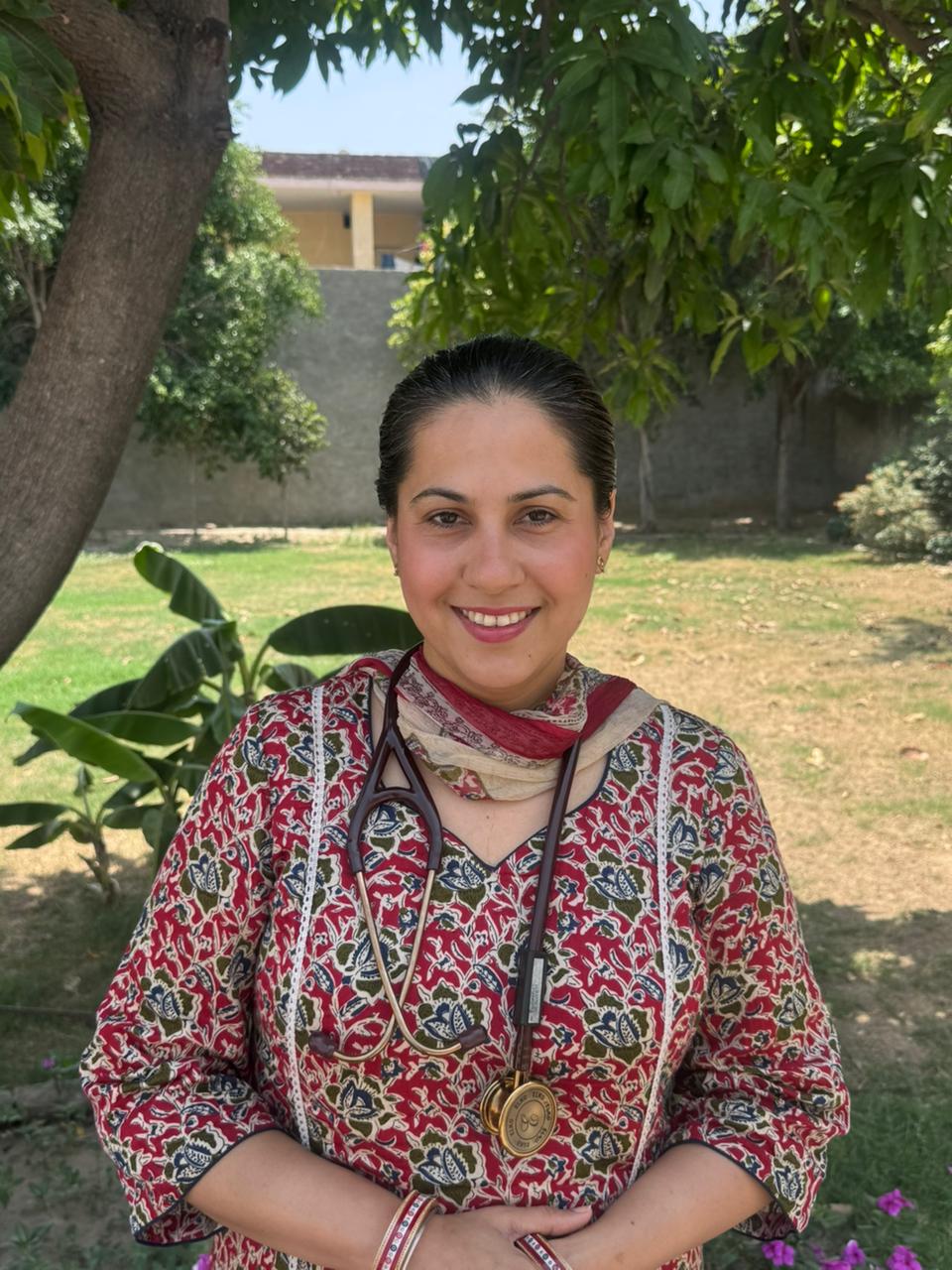
This article is for educational purposes only and is not a substitute for professional medical advice, diagnosis, or treatment. Always seek the advice of your physician or other qualified healthcare provider with any questions you may have regarding a medical condition.